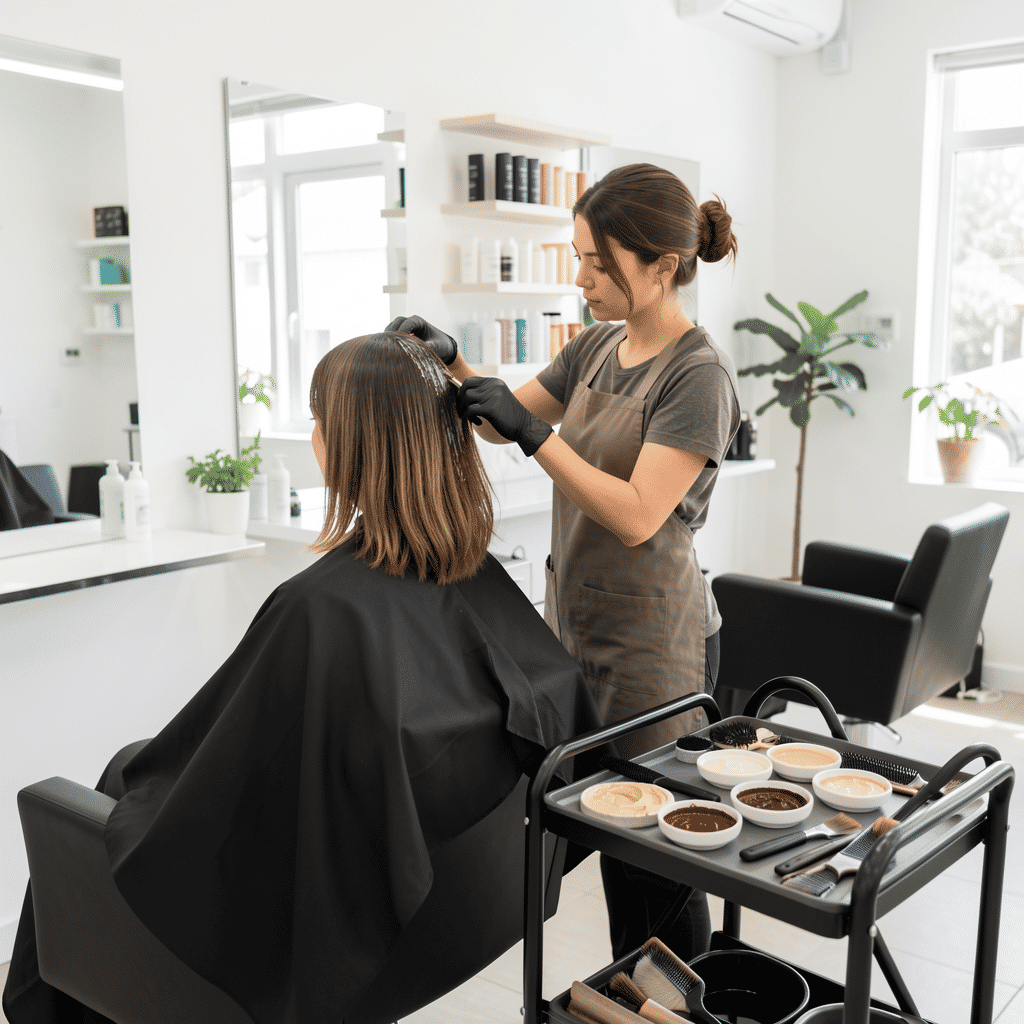
Hair coloring has long been a popular way to express individuality, enhance personal style, and refresh your overall look. However, mastering the art of hair coloring requires more than just a bottle of dye and a pair of gloves. It involves understanding your hair type, selecting the right color, using suitable techniques, and maintaining the health of your hair. Here's how you can turn your hair coloring aspirations into reality.
Understanding Your Hair
Before you dive into the world of hair coloring, it's essential to understand your hair's unique characteristics. Hair texture, porosity, and natural color can all influence how a dye will take to your strands.
-
Hair Texture: Fine, medium, or coarse hair each responds differently to coloring agents. Fine hair might absorb color more quickly due to its delicate structure, while coarse hair may require more time or a stronger formula to achieve the desired effect.
-
Porosity: This refers to your hair's ability to absorb and retain moisture. High porosity hair absorbs color well, but it also loses it quickly. Low porosity hair resists absorption, so it may need a more prolonged processing time or a pre-color treatment.
-
Natural Color: Your base color will impact the final result. For instance, going from a dark brown to a light blond typically requires bleaching, which can be damaging if not done correctly.
Choosing the Right Color
Selecting the correct color is crucial for achieving a flattering look. Consider your skin tone, eye color, and personal preferences.
-
Skin Tone: Generally, warm skin tones pair well with golden, honey, and red hues, while cool skin tones work best with ash, platinum, and jewel tones.
-
Eye Color: Consider choosing a color that will enhance your natural eye color. For example, blue eyes might pop with golden and caramel shades, while green eyes can be complemented by copper and red tones.
-
Lifestyle and Maintenance: Some hair colors require more maintenance than others. Consider your willingness to keep up with root touch-ups and toner applications if you choose a color that is significantly lighter or different from your natural shade.
Techniques for Perfect Coloring
Once you’ve chosen your color, various techniques can help you achieve the look you desire.
-
Full Color: Ideal for those who want a complete transformation. It's crucial to ensure the roots are covered well, and the dye is evenly distributed.
-
Balayage: A freehand technique that blends colors subtly for a natural look. It’s low maintenance and grows out beautifully without harsh root lines.
-
Ombre/Sombre: Gradually transitions from dark to light, with ombre featuring starker contrast and sombre providing a softer blend. These styles offer a youthful, trendy look.
-
Highlights/Lowlights: Add dimension and depth to your hair. Highlights lighten sections of your hair, while lowlights add darker shades. Both can create an illusion of volume and texture.
Maintaining Healthy, Vibrant Hair
Healthy hair is the foundation of beautiful color. To keep your colored hair vibrant and healthy:
-
Use Color-Safe Shampoos and Conditioners: These products are formulated to keep color from fading and protect your hair's vibrancy.
-
Limit Heat Styling: Frequent use of flat irons, curling wands, and blow dryers can strip color and damage hair. When using heat tools, always apply a heat protectant.
-
Regular Deep Conditioning: Incorporate weekly hair masks or deep conditioning treatments to replenish moisture and strengthen your hair.
-
Protect from the Sun and Chlorine: UV rays and chlorine can fade color. Wear hats or apply UV protectant sprays when in the sun, and rinse hair before swimming.
-
Regular Trims: Keep your hair trimmed to prevent split ends, which can make colored hair appear dull.
Mastering hair coloring is an art that combines understanding your unique hair, choosing the right shade, applying the correct technique, and maintaining hair health. With careful planning and execution, you can enjoy beautiful, vibrant color that highlights your individuality and complements your lifestyle. Remember, coloring hair is not just about changing shades; it's about enhancing your natural beauty while keeping your hair healthy and radiant.